Exclusive Buyer’s Agent
Helping Buyers Find Their Way Home
Integrity – Advocacy – Education
Contact Our Buyers Agents
Call: (617) 942-4005
Call: (978) 468-2138
Email: nick@buyerschoicerealty.com
Why Every Homebuyer Needs an Exclusive Buyer’s Agent
Every homebuyer deserves an exclusive buyer’s agent to protect their interests and provide expert guidance. Unlike traditional agents, an exclusive buyer’s agent focuses only on buyers, ensuring you receive unbiased advice and support throughout the process. From finding the perfect home to negotiating the best deal, they are your advocate every step of the way. Choose an exclusive buyer’s agent for a confident, stress-free homebuying experience. Contact us today to get started!
Proud Sponsor of the Witch City 7s Youth Rugby Tournament – Salem, MA





Why Work With an Exclusive Buyer’s Agent?
Full Disclosure
Buyer’s agents solely represent the homebuyer’s interests. Our fiduciary & ethical responsibility is to help you make the best purchase decision.
Integrity
Regardless of business outcome, we act in the best interest of our clients and avoid potential conflicts by representing only one side of a transaction.
Collaboration
Our primary role is as educators & consultants. We work with our clients to help them understand market trends and specific property details.

What is a Buyer’s Agent?
Many real estate agents operate with conflicting interests, serving both the buyer and the seller within a single transaction. At Buyer’s Choice Realty, our only loyalty lies with you, the homebuyer. Our incentives as agents are tied directly to your best interests as a homebuyer. Our goal is to put you back in the driver’s seat when it comes to your home purchase and ultimately serve as a guide & consultant that can help identify good buying opportunities as well as potential risks or concerns.


Recent Closings
See some of the homes we’ve recently helped our buyers purchase.

Ipswich, MA
$1,100,000
3,487 Sq Ft. • 4 Beds • 3 Baths

Wakefield, MA
$906,987
2,268 Sq Ft. • 3 Beds • 3.5 Baths

Hamilton, MA
$690,000
4,120 Sq Ft. • 4 Beds • 3 Baths
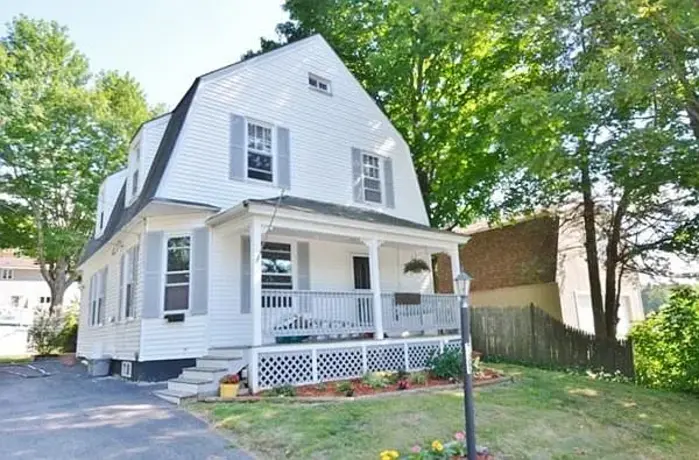
Haverhill, MA
$598,500
1,581 Sq Ft. • 3 Beds • 2 Baths

Ipswich, MA
$1,750,000
6,700 Sq Ft. • 5 Beds • 4.5 Baths

Boston, MA
$2,024,000
1,210 Sq Ft. • 2 Beds • 2.5 Bath

North Reading, MA
$1,387,000
4,570 Sq Ft. • 4 Beds • 3.5 Baths
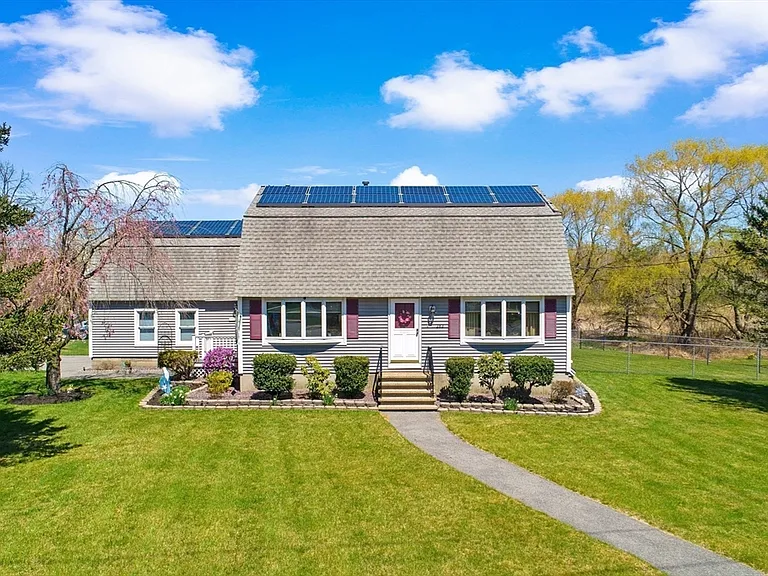
Methuen, MA
$700,000
2,304 Sq Ft. • 3 Beds • 2 Bath

Braintree, MA
$875,000
1,846 Sq Ft. • 4 Beds • 2 Baths
Frequently Asked Questions
Get the answers to some of our most commonly asked questions.
Why is Buyer's Choice Realty so popular?
Buyer’s Choice Realty is the trusted exclusive buyer’s agent, offering a unique focus on buyers’ needs. An exclusive buyer’s agent safeguards your interests, circumventing the conflicts of interest often encountered with dual agents. Choosing an exclusive buyer’s agent means having expert guidance, market knowledge, and transparency at every step. Our clients understand the importance of having an exclusive buyer’s agent committed to their success. Contact us today to experience the benefits of an exclusive buyer’s agent!
What does it mean to be an exclusive buyer's agent?
An exclusive buyer’s agent solely represents the interests of the homebuyer, unlike traditional real estate agents who may serve both buyers and sellers. At Buyer’s Choice Realty, we fully align our loyalty with your needs and concerns to guide every decision. We offer expert advice based on your goals and market trends, allowing you to make informed decisions. Ready to experience the difference? Contact us today to begin your home-buying journey empowered and informed.
How does Buyer's Choice Realty protect my interests?
We prioritize your interests through comprehensive advocacy and guidance. Our team goes above and beyond to identify potential home defects and negotiate favorable terms. We also assemble a trusted team of inspectors, lenders, and attorneys to support you. Our approach ensures transparency and full disclosure, steering you away from investments that don’t align with your lifestyle and financial goals. Trust us with your home-buying needs; reach out to us today for a personalized consultation.
Can Buyer's Choice Realty assist first-time homebuyers?
Absolutely! First-time homebuyers face unique challenges, and we dedicate ourselves to providing the necessary education and support throughout the process. Our agents are adept at demystifying market trends, financing options, and property details, tailoring our approach to your comfort level and experience. Let us guide you confidently through your first home purchase. Contact us to get the support you need on this exciting journey.
Start Your Search
Because of our designation as Exclusive Buyer’s Agents, we can represent you in your new home purchase anywhere in the Greater Boston area.